Why Choose Bamboo Charcoal Wood Veneer for Your Home?
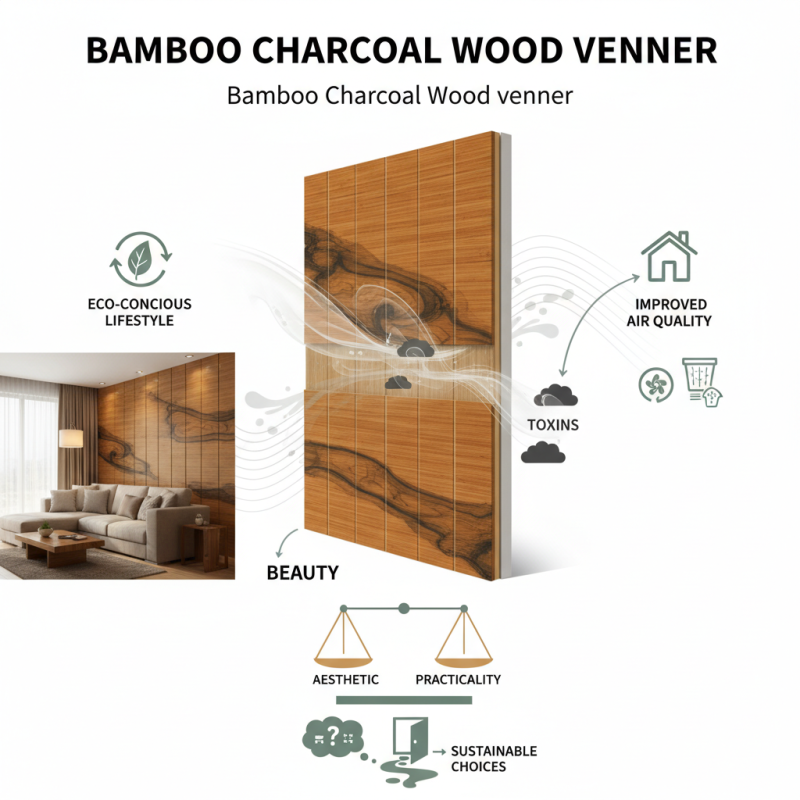
Home design is evolving. One material gaining popularity is Bamboo Charcoal Wood Veneer. Experts affirm its benefits. According to Richard Hargrove, a renowned sustainable materials consultant, "Bamboo Charcoal Wood Veneer blends beauty with practicality." This unique veneer offers a warm aesthetic while promoting an eco-conscious lifestyle.
Imagine the rich texture of bamboo combined with effective air purification. This veneer traps toxins, improving your home's air quality. Many consumers overlook this vital aspect of home improvement. Choosing Bamboo Charcoal Wood Veneer might seem unconventional, yet it provides tangible benefits.
However, incorporating this element into interior design requires thought. Can it match your existing decor? It may not fit every style flawlessly. Yet, its unique adaptability can enhance any space if used thoughtfully. Engaging with this material opens doors to sustainable choices for eco-friendly homes.
Benefits of Bamboo Charcoal Wood Veneer for Eco-Friendly Design
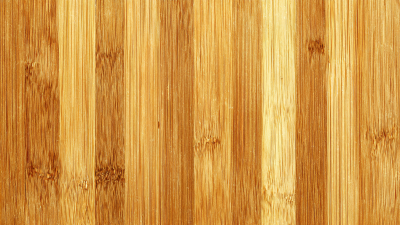
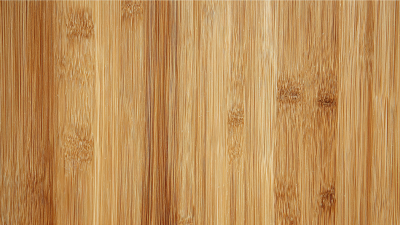
Bamboo charcoal wood veneer is a great choice for eco-friendly design. This material is sustainable and blends well with various interior styles. It has a unique texture that adds warmth to any room. The dark color can create a modern feel while still being inviting.
One key benefit of bamboo charcoal is its natural properties. It helps purify the air by absorbing toxins and odors. This creates a healthier indoor environment for everyone. Also, bamboo grows quickly, making it a renewable resource. Using it reduces the demand for slower-growing hardwoods, aiding in biodiversity.
However, the production process isn't flawless. Some methods can lead to deforestation if not managed correctly. It's essential to choose sources that prioritize sustainable practices. By being mindful of your choices, you can ensure a positive impact on the planet while enjoying the beauty of bamboo charcoal wood veneer.
Benefits of Bamboo Charcoal Wood Veneer for Eco-Friendly Design
Comparison of Bamboo vs. Traditional Wood Veneers in Sustainability
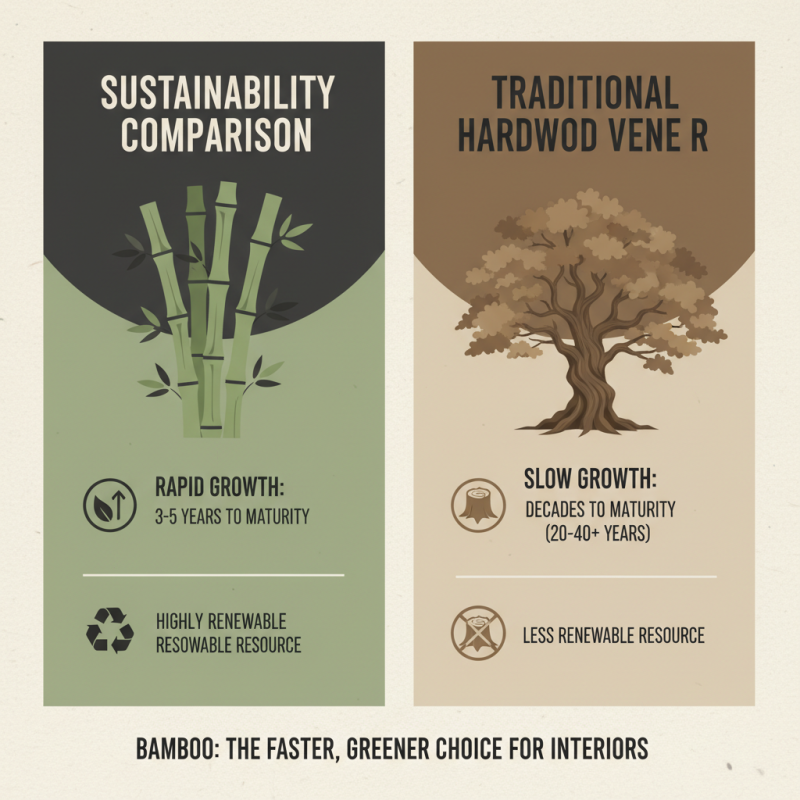
Bamboo charcoal wood veneer is a unique choice for home interiors. It stands out in sustainability when compared to traditional wood veneers. Bamboo grows rapidly, often reaching maturity in just three to five years. In contrast, hardwood trees can take decades to grow. This makes bamboo a more renewable resource.
Production methods for bamboo also tend to have a smaller carbon footprint. When harvested, bamboo usually requires less energy than cutting down and processing conventional wood. This is a significant factor when considering environmental impact. Bamboo can be cultivated in diverse climates, making it adaptable and easier to source.
However, bamboo isn't without its challenges. Some production methods may involve harmful chemicals. This poses a concern for those focused on eco-friendliness. Not all bamboo products share the same sustainability credentials. It’s essential to choose sources that prioritize safe practices. Understanding these nuances helps consumers make informed decisions. In the end, while bamboo offers great potential, scrutiny is vital.
Health Benefits of Bamboo Charcoal in Home Environments
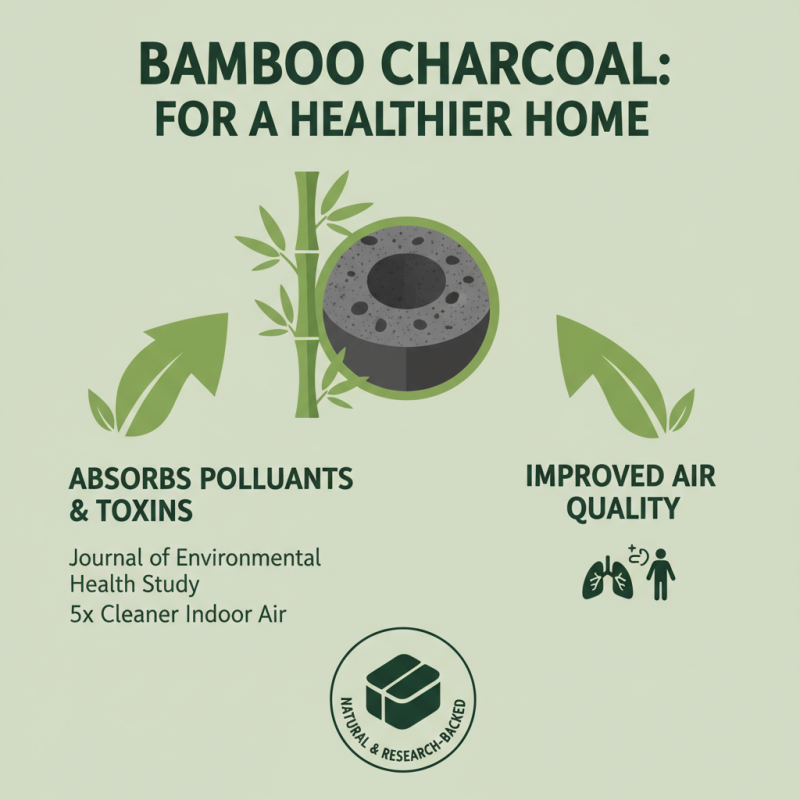
Bamboo charcoal is becoming popular for home environments. Its health benefits are significant and backed by research. For instance, a study from the Journal of Environmental Health found that bamboo charcoal can effectively absorb pollutants and toxins from the air. This is important because indoor air can be up to five times more polluted than outdoor air.
People often overlook the impact of air quality on health. Poor air can lead to respiratory issues and allergies. Bamboo charcoal works by adsorbing harmful substances. It captures formaldehyde and volatile organic compounds (VOCs). Studies indicate that bamboo charcoal can reduce these toxins by up to 80%. This makes it a practical choice for those looking to improve their indoor environment.
Moreover, bamboo charcoal has natural antibacterial properties. It can inhibit the growth of bacteria and fungi. A report from the International Journal of Microbiology showcased that bamboo charcoal inhibited harmful bacteria effectively. It offers a simple, natural solution for cleaner, healthier living spaces. However, it's worth noting that the effectiveness of bamboo charcoal depends on proper ventilation and placement in the home.
Durability and Longevity of Bamboo Charcoal Wood Veneer
Bamboo charcoal wood veneer is gaining attention for its remarkable durability. Unlike traditional wood, bamboo is much more resilient. It can withstand various climatic conditions without warping or cracking. This is essential for maintaining the aesthetic and structural integrity of your home.
The longevity of bamboo charcoal wood veneer is impressive. It resists pests and mold effectively, which are common issues in wooden materials. This means less time worrying about repairs. However, it’s essential to consider proper maintenance. Even durable materials need some care to ensure they last. Regular cleaning can enhance their appearance and lifespan.
While the initial investment might seem significant, the long-term benefits are undeniable. Bamboo charcoal veneer can outlast many conventional options, making it a cost-effective choice in the end. Yet, it’s important to research and verify sustainable sourcing. This helps ensure that your choice positively affects the environment.
Cost Analysis: Investing in Bamboo Charcoal Wood Veneer for Home Interiors
Bamboo charcoal wood veneer offers an excellent investment for home interiors.
Its unique aesthetic sets a calming tone in any space. The cost of bamboo charcoal veneer can vary, but its durability often justifies the initial price.
Over time, it can withstand wear and tear better than traditional wood. This protects your investment and keeps your space looking fresh.
Tips: Consider the size of your project. Smaller installations can minimize costs. Research local suppliers to find competitive pricing. Quality matters, so do not compromise for savings.
One key aspect to remember is maintenance. Bamboo charcoal requires less upkeep compared to other materials.
However, it still needs regular care. The dark hues can fade if not protected from sunlight. Reflect on lighting as it affects color dynamics.
Bamboo's eco-friendly nature is also a significant plus. It grows quickly, making it sustainable.
However, some may find it hard to source high-quality options. Always investigate the origin of the product.
Sustainable isn’t always synonymous with affordable, and that’s worth considering.

 Hot Selling