10 Tips for Choosing the Right Acoustic Wall Panels for Your Space
When it comes to transforming a space, one of the most effective solutions is the use of Acoustic Wall Panels. These panels not only enhance the aesthetic appeal of a room but also play a crucial role in improving sound quality by reducing echo and background noise. Whether you're designing a home theatre, a recording studio, or simply looking to create a more comfortable environment in your office, choosing the right Acoustic Wall Panels can make all the difference.
In this guide, we aim to provide you with essential tips for selecting the ideal panels for your specific needs. From understanding the different materials and designs available to factoring in the intended use of the space, these considerations will help you make an informed decision. Additionally, the effectiveness of Acoustic Wall Panels can vary based on their size, placement, and shape, making it vital to plan carefully to achieve the best acoustic performance. Join us as we delve into the top tips that will steer you towards picking the perfect Acoustic Wall Panels for your environment.

Understanding the Functionality of Acoustic Wall Panels
Acoustic wall panels serve a critical role in enhancing the sound quality of a space. They are designed to absorb sound waves, reducing echo and minimizing noise pollution, thus creating an environment conducive to communication and focus. Understanding their functionality begins with acknowledging how sound behaves within a room. Hard surfaces, such as walls, floors, and ceilings, reflect sound, leading to unwanted reverberation. Acoustic panels mitigate this effect by transforming sound energy into a negligible degree of heat, helping to create a more controlled acoustic environment.
In addition to sound absorption, acoustic wall panels can serve decorative purposes, integrating style with functionality. When selecting the right panels, it's essential to consider the material, thickness, and placement, as these factors significantly impact their effectiveness. For instance, denser materials offer higher sound absorption rates, while strategic placement can optimize their performance throughout the room. By investing time in understanding these aspects, you can ensure that the acoustic panels you choose will not only enhance your space’s acoustic properties but also complement its aesthetic appeal.
Identifying the Specific Acoustic Needs of Your Space
When selecting acoustic wall panels, the first step should always be identifying the specific acoustic needs of your space. Different environments have unique sound challenges, whether it’s a bustling office, a home theater, or a music studio. Analyze the primary activities that occur within the space; for instance, if the area is often used for meetings or collaborative work, the panels need to effectively reduce reverberation and echo to enhance speech clarity. Conversely, a music production room may require specialized panels to control sound reflections, ensuring a more accurate audio landscape.
Consider the size and shape of the room as well. In larger spaces with high ceilings, sound waves may take longer to dissipate, leading to a more pronounced echo effect. In these cases, thicker or more absorptive panels may be necessary. Additionally, think about potential noise sources outside the space, such as traffic or construction, as these can also impact your acoustic needs. By thoroughly assessing these factors, you can make an informed choice that will not only improve sound quality but also create a more comfortable and productive environment.
Evaluating Material Options for Acoustic Panels
When selecting acoustic wall panels for your space, evaluating material options is crucial to achieving optimal sound absorption and aesthetic appeal. There are several types of materials commonly used in acoustic panels, each offering unique benefits.
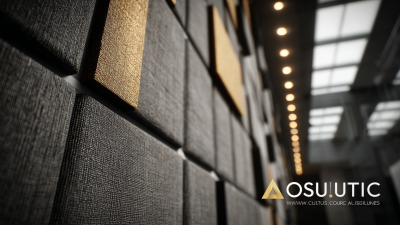
Fiberglass panels, for instance, are known for their high sound absorption capabilities and are often used in commercial settings due to their effectiveness in reducing echo and improving overall sound quality. Alternatively, fabric-wrapped panels provide a softer look and can be customized in various colors and patterns, making them suitable for both residential and professional environments.
Another option to consider is foam panels, which are lightweight and easy to install. They are particularly popular in home studios and gaming rooms, as they can effectively minimize sound reflections.
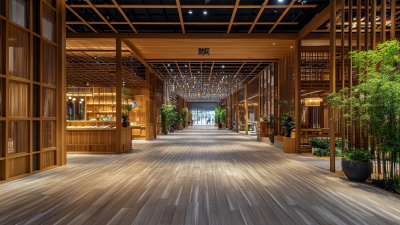
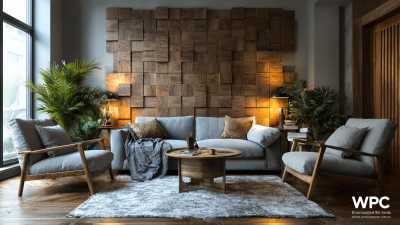
Additionally, wood-based acoustic panels offer a natural aesthetic that blends well with various interior designs while still providing sound-dampening qualities. Understanding the specific acoustic needs of your space, in conjunction with the desired aesthetic, will help you make informed decisions about which material will work best for your environment.
Considering Aesthetic Design and Panel Placement
When selecting acoustic wall panels, aesthetic design and panel placement are vital considerations that can significantly influence the effectiveness and appeal of a space. According to a report by the Acoustical Society of America, sound absorption coefficients of wall panels can vary widely, depending on the material and thickness. Therefore, integrating aesthetics requires careful selection of colors and textures that not only meet acoustic performance but also complement the overall interior design scheme. For instance, panels that are available in various finishes, such as wood, fabric, or painted surfaces, allow for personalization without compromising on sound quality.
Panel placement plays a crucial role in achieving optimal acoustic performance. Research indicates that proper positioning can enhance sound absorption by up to 30%. Key areas to consider include high-traffic zones where sound reflects off hard surfaces, such as walls and ceilings. Strategically placing panels in these areas can help mitigate excessive noise. Furthermore, taking into account the room's function is essential; for example, a music studio may require different acoustic treatments compared to a conference room. Thus, designers must thoughtfully balance aesthetic appeal with functional requirements to create a harmonious and acoustically sound environment.
10 Tips for Choosing the Right Acoustic Wall Panels for Your Space
Budgeting and Sourcing Reliable Acoustic Panel Suppliers
When selecting acoustic wall panels, budgeting and sourcing reliable suppliers are crucial steps that can greatly impact the effectiveness of your acoustic treatment. According to a report by the Acoustical Society of America, the sound absorption coefficient of materials varies significantly, with high-density porous materials generally providing superior sound attenuation. Knowing your budget allows you to prioritize your needs, as the cost of acoustic panels can range from $15 to over $50 per square foot, depending on the material and thickness. Allocating a budget is essential to balance quality with financial constraints, ensuring you get the best value without compromising on performance.
Furthermore, finding reputable acoustic panel suppliers is vital for ensuring the quality and reliability of your materials. Research indicates that suppliers with established industry experience and favorable customer reviews tend to offer products that uphold industry standards. According to information from the International Institute of Acoustics, effective sound management solutions can reduce unwanted noise levels in environments by as much as 50%. Thus, partnering with suppliers who provide certification and testing results can help you make informed decisions. By taking the time to evaluate suppliers based on reliability and their adherence to acoustic standards, you can secure panels that enhance your space's sound quality efficiently and effectively.
10 Tips for Choosing the Right Acoustic Wall Panels for Your Space - Budgeting and Sourcing Reliable Acoustic Panel Suppliers
| Tip Number |
Tip Description |
Estimated Cost ($) |
Sourcing Options |
| 1 |
Determine the purpose of the panels |
Free |
Local suppliers, online research |
| 2 |
Measure your space accurately |
Free |
DIY measuring tools |
| 3 |
Consider the aesthetics of the panels |
50 - 200 |
Online retailers, design showrooms |
| 4 |
Research different materials available |
Free |
Manufacturer websites, forums |
| 5 |
Identify eco-friendly options |
100 - 300 |
Sustainable product directories |
| 6 |
Check for sound absorption ratings |
Free |
Acoustic consultants |
| 7 |
Compare prices from multiple suppliers |
Free |
Price comparison websites |
| 8 |
Read customer reviews and ratings |
Free |
E-commerce platforms, forums |
| 9 |
Inquire about bulk purchasing discounts |
Free |
Direct supplier contact |
| 10 |
Plan for installation costs |
200 - 500 |
Contractors, DIY guides |

 Hot Selling