Why Choose WPC Garden Fences for Your Outdoor Space?
When enhancing your outdoor space, choosing the right materials is vital. One standout option is the Garden Fence WPC. This innovative material offers durability and aesthetic appeal. Made from wood-plastic composites, it combines the best of both worlds. You get the beauty of wood and the resilience of plastic.
WPC garden fences are resistant to moisture, rot, and pests. This means less maintenance for you over time. In regions with varying weather, they hold up remarkably well. Many homeowners appreciate their eco-friendly nature, as they often use recycled materials. However, some may wonder about their overall longevity compared to traditional wooden fences.
While Garden Fence WPC presents numerous benefits, it's essential to consider your specific needs. Reflect on your climate and use. Sometimes, a conventional wooden fence might better suit certain styles or preferences. Ultimately, choosing a garden fence is a personal decision, and WPC can be a great contender in creating a beautiful, functional outdoor space.
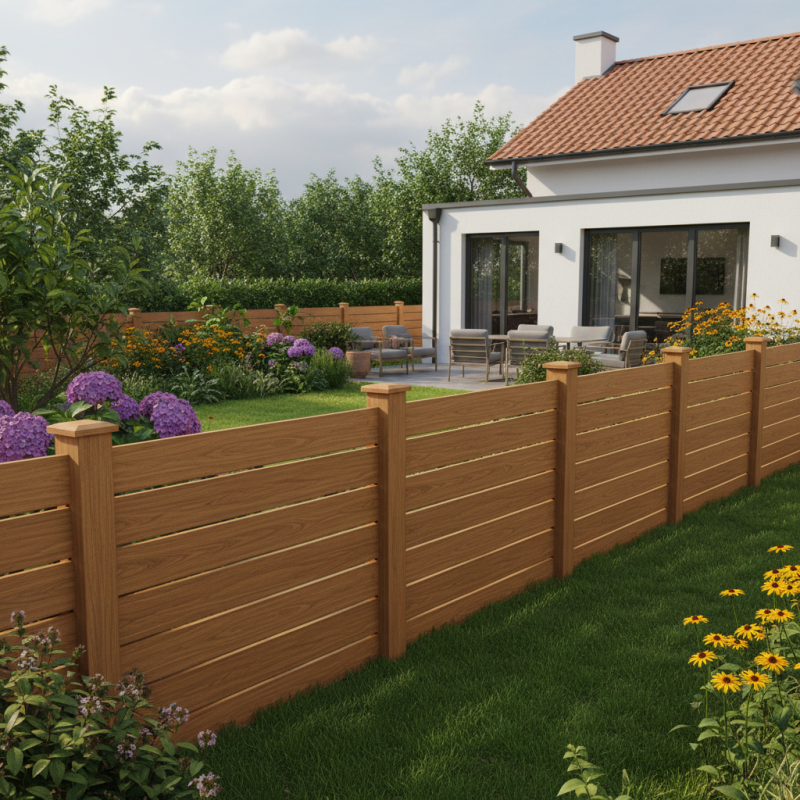
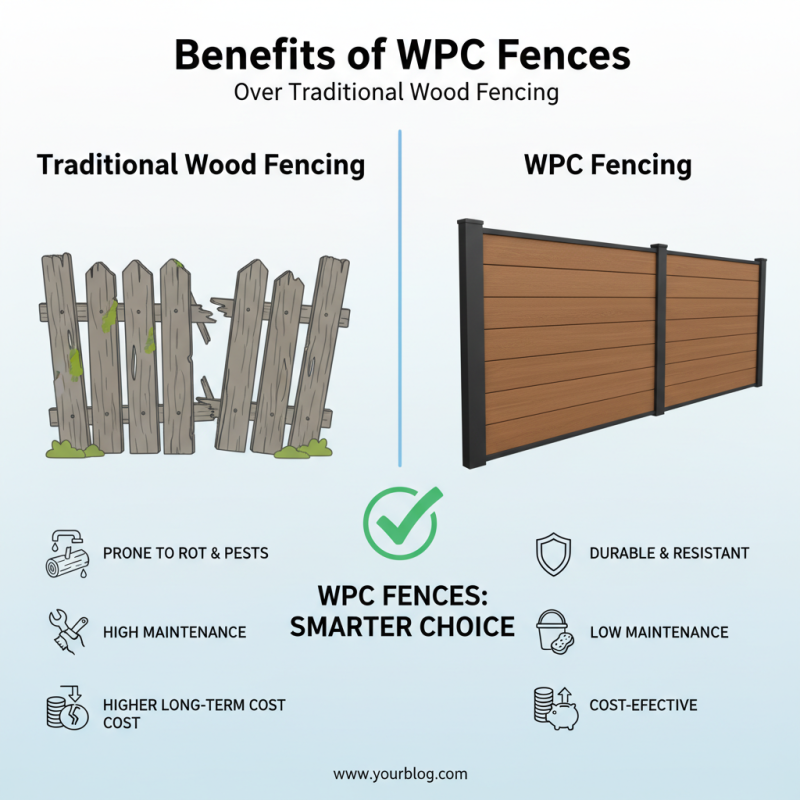
Benefits of WPC Fences Over Traditional Wood Fencing
WPC fences, made from wood-plastic composite materials, offer numerous advantages over traditional wood fencing. These fences are highly durable and resistant to rot, warping, and pests. Unlike wooden fences, which often require frequent maintenance, WPC fences are relatively low-maintenance. A simple wash with soap and water can keep them looking new. This can save both time and money in the long run.
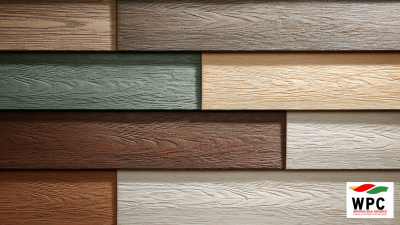
Many homeowners appreciate the aesthetic appeal of WPC fences. They come in a variety of colors and styles, providing flexibility in design. The texture mimics natural wood, maintaining a classic look without the drawbacks. While some may worry about the upfront cost, the durability of WPC makes it a smart investment. Traditional wood fences can deteriorate quickly, leading to costly replacements. It's also worth noting that WPC materials are often made from recycled products, making them a more eco-friendly option.
In terms of installation, WPC fences are easier to work with. They can be cut and assembled with common tools, reducing labor costs. However, some homeowners have reported challenges in aligning panels due to variations in manufacturing. It’s essential to ensure that the chosen WPC product meets quality standards. Despite minor installation hiccups, WPC remains a reliable choice for enhancing outdoor spaces.
Durability and Weather Resistance of WPC Garden Fences
WPC garden fences offer exceptional durability and weather resistance. Made from a composite of wood fibers and recycled plastic, these fences withstand harsh conditions. They do not rot like traditional wood and resist fading under the sun. This makes them ideal for outdoor spaces that experience extreme weather.
In dry climates, WPC fences hold up well against the elements. They do not warp or crack like wood can. Additionally, they require less maintenance. A simple wash with soap and water keeps them looking fresh. However, some might find the initial installation cost slightly higher than wood. It’s a worthwhile investment for durability.
Over time, WPC fences pay off. They save you from frequent replacements. If you install them properly, they can last for decades. Yet, it's essential to ensure correct positioning and support. A flawed installation may lead to problems. Consider professional help if needed.
Why Choose WPC Garden Fences for Your Outdoor Space?
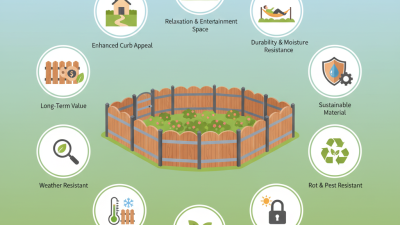
WPC (Wood-Plastic Composite) garden fences are gaining popularity due to their durability and weather resistance. This chart illustrates key performance metrics comparing WPC garden fences to traditional wood and vinyl options in various weather conditions.
Cost-Effectiveness of WPC Fencing in Long-Term Investment
WPC (Wood-Plastic Composite) garden fences are gaining popularity for outdoor spaces. One key reason is their long-term cost-effectiveness. Initially, these fences may seem more expensive than traditional wood. However, their durability and low maintenance needs make them a wise investment over time.
WPC fences resist rot, pests, and harsh weather. Unlike wood, they don’t require regular staining or sealing. In fact, you might spend less on upkeep and repairs over the years. Homeowners appreciate this financial relief, especially with unpredictable weather patterns.
It’s essential to consider the environmental angle too. WPC fences are made from recycled materials, reducing waste. Yet, some may question their aesthetic appeal compared to natural wood. Balancing beauty and functionality can be tricky. It's important to weigh personal preferences against practical benefits.
Environmental Impact and Sustainability of WPC Materials
WPC, or Wood Plastic Composite, offers a sustainable solution for garden fences. Made from recycled wood and plastic, it reduces waste and minimizes environmental harm. This composition ensures durability and lowers maintenance costs. With WPC, you enjoy the aesthetics of wood without sacrificing the environment.
The production of WPC materials involves less energy compared to traditional wood. While it offers vivid colors and textures, it is important to recognize that not all WPC products are created equal. Some may contain harmful additives. Researching certifications can help consumers make informed choices.
Choosing WPC can lead to a more sustainable outdoor space. It can appeal to eco-conscious homeowners. However, the long-term impact of WPC's plastic content on ecosystems remains a topic of debate. Sustainability is complex, and the balance between functionality and environmental responsibility needs continuous reflection.
Why Choose WPC Garden Fences for Your Outdoor Space?
| Dimension |
WPC Fences |
Traditional Wood Fences |
| Durability |
10-25 years |
5-15 years |
| Maintenance |
Low |
High |
| Environmental Impact |
Recycled materials, eco-friendly |
Deforestation concerns |
| Aesthetic Options |
Variety of finishes and colors |
Limited styles |
| Cost |
Moderate |
Variable, often higher |
Maintenance Requirements and Lifespan Comparisons of Fencing Types
When considering fencing options for outdoor spaces, understanding maintenance requirements and lifespan is crucial. WPC (Wood-Plastic Composite) garden fences are gaining popularity due to their durability. A 2022 report by the North American Fencing Institute indicates that WPC fences have a lifespan of approximately 25 years, significantly longer than traditional wood fences, which typically last only around 10-15 years.
Maintenance plays a key role in the overall cost and effort required. WPC fences demand less maintenance than wood. Homeowners need to worry less about warping, splintering, or painting. In fact, a study showed that WPC fencing requires maintenance only every three years, compared to annual upkeep for wood. Regular cleaning with soap and water can keep them looking new. It's notable, though, that some WPC products may fade in color over time, requiring some careful consideration prior to purchase.
Environmental factors also impact longevity. For instance, extreme weather can affect different materials differently. While metal fences can rust, WPC offers a more resilient alternative. It withstands moisture and UV exposure better than wood. However, it's not entirely impervious to fading. Some users express concerns about its aesthetic appeal as these fences age. Balancing durability and beauty remains a challenge for many homeowners today.

 Hot Selling