How to Choose WPC Grille Wall Panel for Your Project?
When embarking on a project, selecting the right WPC Grille Wall Panel is crucial. These panels are gaining popularity in the construction and design industries due to their versatility and sustainability. According to a report by Smithers Pira, the global market for WPC materials is projected to reach $5.3 billion by 2027. This growth is driven by increased demand for eco-friendly building materials.
WPC Grille Wall Panels offer aesthetic appeal along with practical benefits. They are resistant to moisture, insects, and decay, making them ideal for both indoor and outdoor applications. A study from Research and Markets highlights that WPC panels can reduce carbon emissions by up to 40% compared to traditional materials. Yet, understanding the right specifications and quality is vital; not all panels are created equal.
Choosing the right WPC Grille Wall Panel can be overwhelming. There are various designs, colors, and textures to consider. It’s essential to evaluate the intended use and environmental conditions. Additionally, not every product boasts the same durability or finish. Reflecting on these elements will aid in making an informed decision for your project.
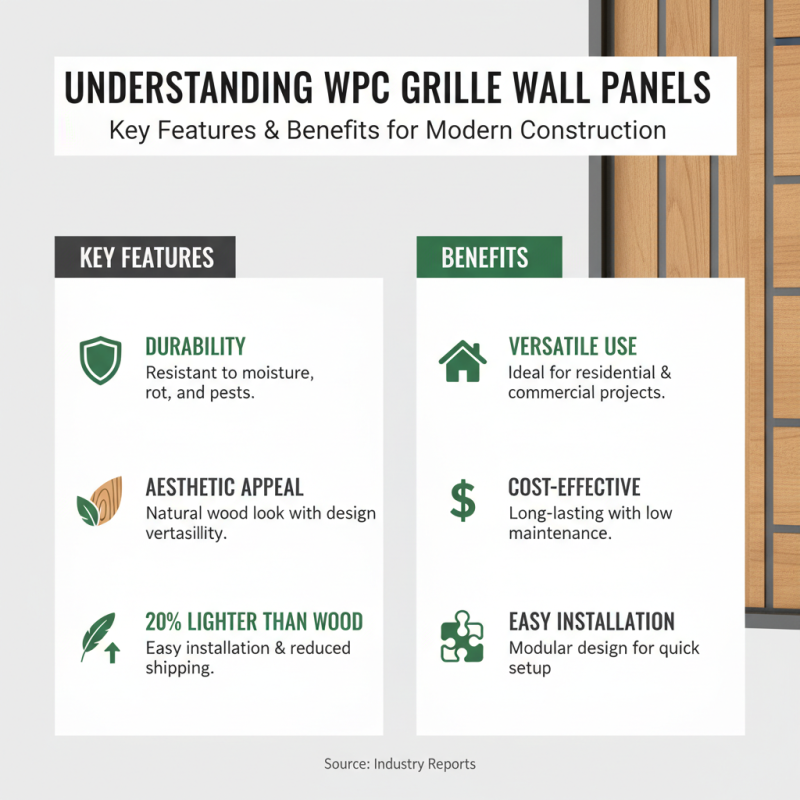
Understanding WPC Grille Wall Panels: Key Features and Benefits
WPC (Wood Plastic Composite) Grille Wall Panels have gained popularity in the construction industry. These panels offer a blend of durability and aesthetic appeal, making them a great choice for both residential and commercial projects. According to industry reports, WPC panels can be 20% lighter than traditional wood panels, which simplifies installation and reduces shipping costs.
Key features of WPC Grille Wall Panels include resistance to moisture, insects, and rot. This makes them suitable for diverse environments, especially humid climates. Furthermore, they require minimal maintenance compared to traditional wood. A study indicated that WPC materials can last 25 years or more with proper care. This longevity can lead to significant cost savings over time.
When selecting WPC Grille Wall Panels, consider the overall design of your space. Think about factors like color, texture, and finish. These elements can greatly influence the final look of your project. It’s also important to check the panel's level of UV resistance. An insufficient rating can lead to fading over time.
Tip: Always request samples before making a decision. This allows you to assess color and texture firsthand. You may be surprised at how different options look in your natural light. Another consideration is to review installation guidelines. Improper installation can undermine the benefits of WPC panels.
Evaluating Design Aesthetics for Your Project with WPC Grille Panels
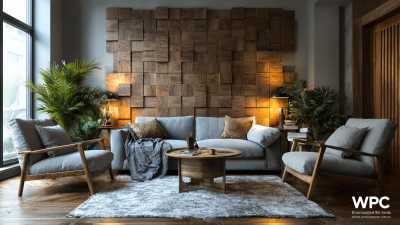
When considering WPC grille panels for your project, design aesthetics play a crucial role. Research by the Materials Research Society indicates that aesthetic appeal significantly influences client satisfaction. WPC panels can mimic natural wood while providing durability and resistance to moisture. This makes them a popular choice in modern architecture and interior design.
Tip: Choose colors and finishes that complement your existing palette. Neutral tones can create a calming effect, while bold colors can make a statement. Balancing colors and textures will enhance the overall design.
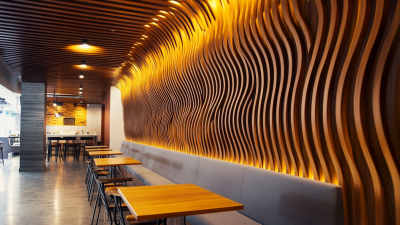
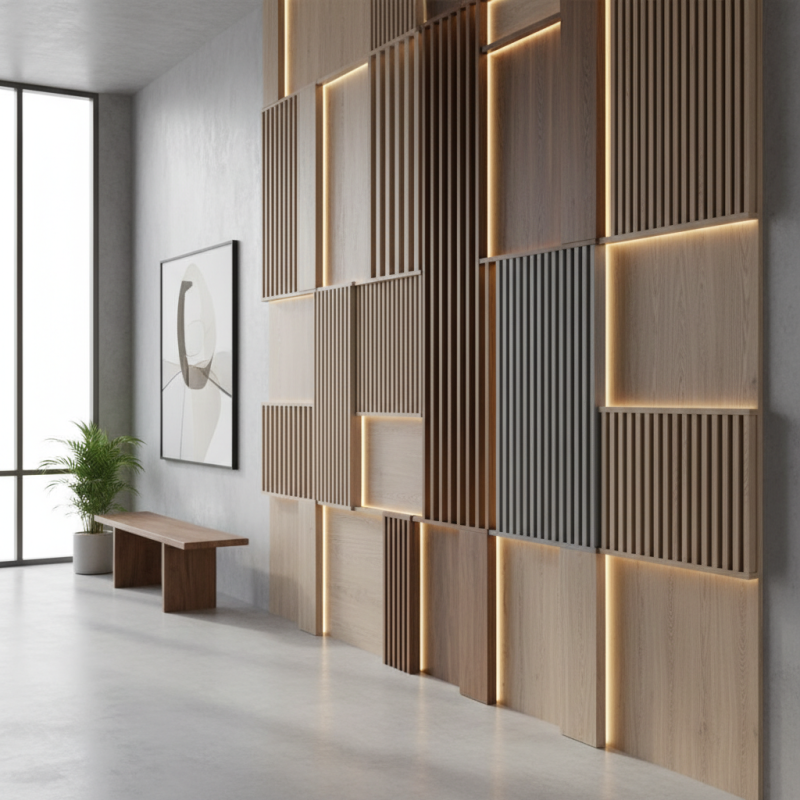
Visually, WPC grille panels can serve multiple functions. They can act as an artistic element or provide privacy without sacrificing light. A report by the Green Building Council states that integrating natural materials in design can improve the emotional well-being of occupants. However, consider the environment where the panels will be installed. They may age or wear differently based on exposure to sunlight and moisture.
Tip: Test samples in your space before making a decision. This way, you can assess how lighting and surroundings affect the appearance. Keep in mind that even the best materials may need maintenance over time.
Assessing Durability and Environmental Resistance of WPC Materials
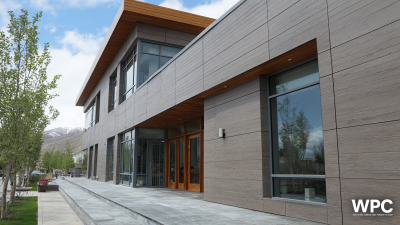
When selecting WPC wall panels, durability and environmental resistance are crucial. WPC, or wood-plastic composite, combines natural wood fibers and synthetic plastics. According to a report by the Research Institute for Advanced Materials, WPC materials can withstand various weather conditions due to their inherent resistance to moisture and UV rays. This makes them ideal for outdoor applications.
Testing shows that WPC panels have excellent abrasion resistance and can last for decades with proper care. A study by the International Journal of Composite Materials reveals that WPC panels can endure temperature fluctuations from -20°C to 60°C. However, it's essential to note that not all WPC products are created equal. Quality can vary significantly based on the manufacturing process.
Some panels may warp or discolor over time if they are not properly formulated. Environmental factors also play a role; location and climate can affect overall performance. Always look for third-party certifications, which can provide assurance of quality and durability. User reviews can offer insights into real-world performance and longevity. When making a decision, gather all pertinent information for a balanced view.
Durability and Environmental Resistance of WPC Materials
Selecting the Right Size and Thickness for Your Grille Wall Panel
When selecting the size and thickness of WPC grille wall panels, attention to detail is crucial. Most panels are available in standard sizes, but your project's unique requirements may necessitate custom dimensions. According to industry reports, the most common sizes range from 3 to 6 inches in width. Width impacts not only aesthetics but also structural integrity. A properly sized panel maintains its shape and function over time.
Thickness is equally important. Industry experts suggest a thickness of at least 0.5 inches for durability. Thicker panels provide better resistance to wear and tear, especially in high-traffic areas. However, they can be more challenging to install due to weight. Consider the installation environment. For residential applications, lighter options are often preferred, while commercial spaces may benefit from bulkier panels for enhanced longevity.
Always reflect on the trade-offs between size, thickness, and practicality. Choosing a panel that is too thin can lead to early damage. However, excessive thickness may lead to complications during installation. It's vital to balance aesthetics with functionality, ensuring the selected panel meets both your visual and performance standards. The right choice involves careful planning and an understanding of your project's specific conditions.
Installation Considerations: Techniques and Tools for WPC Panels
When installing WPC (Wood Plastic Composite) panels, careful consideration of techniques and tools is crucial. Start by preparing the surface where panels will be installed. Clean it thoroughly and ensure it is level. This step can save you from uneven installation later. If the wall is not smooth, use a sander to fix imperfections before proceeding.
Selecting the right tools is important. A power drill is essential for fastening the panels securely. Use screws designed for WPC; they provide better grip and durability. Measuring tape and a level are also necessary for precision during the installation process. Take the time to measure each panel accurately. Cutting panels should be done with a circular saw for clean edges, but practice on a scrap piece first.
Pay attention to the climate and location when installing. Temperature and humidity can affect the expansion of WPC materials. Installing in extreme conditions might lead to unexpected gaps or warping later. It's tempting to rush through the installation. However, taking your time will lead to better results and a long-lasting finish. Always review your work and make adjustments as needed.

 Hot Selling