What is PVC Marble Wall Panel and Why is it Popular?
The versatility of PVC Marble Wall Panels has made them increasingly popular in modern interior design. These panels replicate the look of natural marble, offering an elegant finish without the heavy cost. Many homeowners desire marble aesthetics, but the maintenance and price can be overwhelming. PVC Marble Wall Panels provide a feasible alternative.
Durable and lightweight, these panels are easy to install. They require minimal upkeep, which is a significant advantage for busy individuals. The vibrant designs are easily customizable to fit various styles and spaces. However, some may question the authenticity of synthetic materials. The debate around aesthetics versus reality is worth considering.
In conclusion, PVC Marble Wall Panels represent a growing trend towards affordable luxury in design. While they may not offer the same prestige as genuine marble, their practicality cannot be overlooked. This shift in preference reflects a broader change in consumer attitudes towards home improvement.
Understanding PVC Marble Wall Panels: A Comprehensive Overview
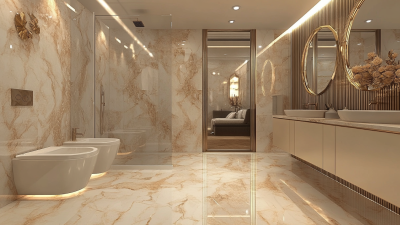
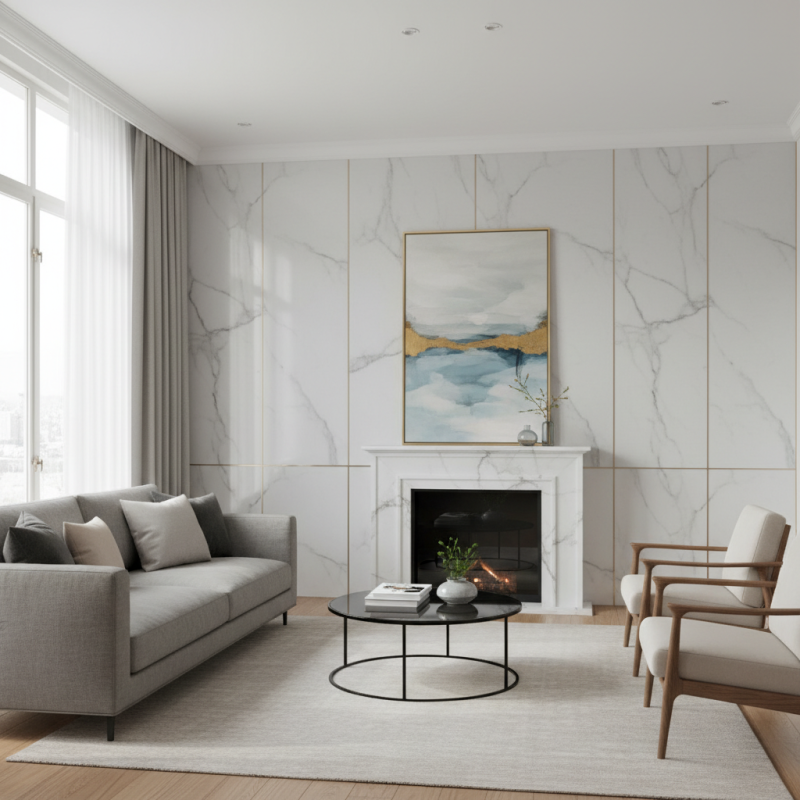
PVC marble wall panels are becoming increasingly popular in modern interior design. These panels mimic the appearance of natural marble while being more cost-effective. They are lightweight and easy to install. This opens up a range of possibilities for home improvement projects. Many homeowners appreciate the aesthetic appeal that these panels bring to spaces like bathrooms, kitchens, and living rooms.
One notable advantage of PVC marble wall panels is their durability. They resist moisture, which is essential in humid areas. Cleaning is also hassle-free; simply wipe them down to maintain their shine. However, some may find that their synthetic nature lacks the timeless elegance of genuine marble. People need to weigh the benefits against the drawbacks. In some settings, a natural stone might still be the preferred choice.
In terms of design, the variety is impressive. These panels come in numerous colors and patterns, suitable for all styles. From classic white veins to rich, dark shades, the options are endless. Yet, achieving a truly unique look can be challenging. Some designs might feel repetitive or overly commercial. It's crucial for homeowners to be mindful of this when selecting their decor.
Composition and Manufacturing Process of PVC Marble Wall Panels
PVC marble wall panels are gaining popularity for various reasons. Their composition is a key factor in their appeal. Typically, these panels contain polyvinyl chloride (PVC) as the primary material, which provides durability and a realistic marble appearance. Recent industry data indicates that the demand for PVC products is expected to grow by 4.5% annually. This growth reflects a shift towards more cost-effective and low-maintenance building materials.
The manufacturing process begins with mixing PVC resin, additives, and pigments. This blend is then exposed to heat, creating a malleable material. Once formed, these panels can mimic natural marble's intricate designs. Research from the interior design sector shows that 70% of homeowners prefer materials that balance aesthetics and functionality. Despite this, some consumers question the environmental impact of PVC production.
Installation of PVC marble panels is straightforward, often requiring adhesives instead of complicated tools. However, some installers report challenges in achieving a seamless look. Variations in quality among suppliers can result in inconsistencies. As the market expands, addressing these concerns will be crucial for the future of PVC marble wall panels.
Advantages of Using PVC Marble Wall Panels in Interior Design
PVC marble wall panels have gained significant traction in interior design due to their numerous advantages. A study by Industry Research states that the global market for PVC panels is projected to grow at a CAGR of 6.5% from 2022 to 2029. This growth highlights the increasing preference for materials that blend aesthetics and practicality. These panels mimic the elegant look of natural marble at a fraction of the cost, catering to both budget-conscious and style-savvy homeowners.
One of the key benefits of PVC marble wall panels is their ease of maintenance. Unlike real marble, which requires regular sealing, PVC panels can be wiped clean with minimal effort. This practicality appeals to busy homeowners looking for low-maintenance solutions. According to a report from Transparency Market Research, 75% of consumers prioritize ease of cleaning in their purchasing decisions. Moreover, PVC panels are lightweight, making them easier to install than traditional materials. However, some might argue that they lack the authenticity of real marble, which can be a drawback for certain design aesthetics.
Durability is another advantage. PVC panels are resistant to water and stains, ensuring they can withstand the challenges of daily life. They also offer sound insulation, making spaces more comfortable. Yet, not all panels are created equal. Some cheaper brands may fade or crack over time, leading to dissatisfaction. It's crucial for consumers to research and choose wisely, balancing cost with quality for the best results in their design projects.
Comparative Analysis: PVC Marble Panels vs. Traditional Marble
PVC marble wall panels are becoming a popular choice in interior design. They provide a stylish look similar to traditional marble but at a fraction of the cost. Industry reports indicate that the global market for PVC panels is expected to surpass $10 billion by 2025, driven by their affordability and versatility.
When comparing PVC marble panels to traditional marble, several factors come into play. Traditional marble is heavy, costly, and often requires professional installation. In contrast, PVC panels are lightweight and can be cut and fitted easily. Reports show that the installation time for PVC panels is up to 70% less than that for marble. This can significantly reduce labor costs.
**Tip:** Always check the thickness and quality of PVC panels. Thicker panels tend to be more durable and resist damage better than thinner options.
Another area for consideration is maintenance. Traditional marble requires regular sealing to prevent staining, while PVC needs minimal upkeep. However, PVC can become artificially glossy, which not everyone prefers. Future considerations should include the environmental impact of these materials, as traditional marble is a natural resource, whereas PVC is synthetic and its production has ecological implications.
**Tip:** For a more natural appearance, look for PVC panels with realistic textures. This might give the space an authentic feel, balancing beauty and practicality.
Comparison of PVC Marble Wall Panels vs. Traditional Marble
Popular Applications and Trends in PVC Marble Wall Panel Usage
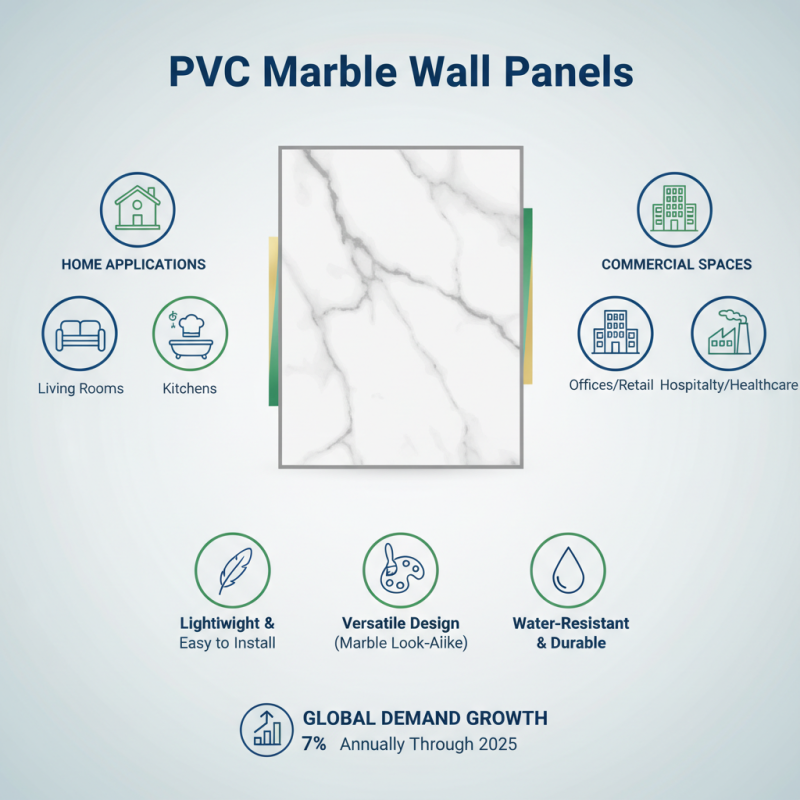
PVC marble wall panels have gained traction in various applications. In homes, they find use in living rooms, kitchens, and bathrooms. This material mimics the look of natural marble while being lightweight and versatile. According to industry reports, the global demand for PVC wall panels is expected to grow by 7% annually through 2025. This trend highlights their increasing popularity in both residential and commercial spaces.
In commercial settings, PVC marble wall panels are used in hotels, restaurants, and offices. They provide a luxurious aesthetic without the high costs of real marble. A recent survey showed that over 50% of interior designers prefer PVC panels for their ease of installation and maintenance. However, some critiques exist. While PVC panels are durable, they can be less environmentally friendly compared to natural materials. As sustainability becomes a larger concern, this may affect future trends in design choices.
Designers also appreciate the variety of finishes available. From glossy to matte, the options cater to different styles. Interestingly, some consumers express dissatisfaction with the artificial feel of PVC compared to real marble. Balancing cost with authenticity remains a challenge. Awareness of these factors can guide better decisions in material selection.

 Hot Selling