What is WPC Cladding? Benefits, Uses, and Installation Guide Explained
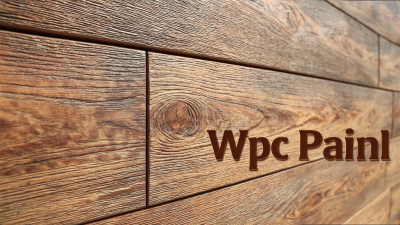
WPC cladding, a fusion of wood and plastic composite materials, has emerged as a leading solution in modern construction, embodying the perfect balance between durability and aesthetic appeal. As industry expert, Dr. Emily Carter, emphasizes, “WPC cladding not only enhances the visual charm of a structure but also offers unmatched resilience against the elements.” With its natural wood-like finish, WPC cladding is quickly gaining favor for both residential and commercial projects alike, transforming traditional building practices.
The versatility of WPC cladding allows it to be seamlessly integrated into various architectural styles while providing the added benefits of low maintenance and environmental sustainability. This innovative material is resistant to splintering, rotting, and insect damage, making it an ideal choice for outdoor applications where traditional wood would falter. This introduction to WPC cladding will delve into its benefits, diverse uses, and a comprehensive installation guide, ensuring that both professionals and DIY enthusiasts can harness the full potential of this remarkable material.
What is WPC Cladding? An Overview of Wood-Plastic Composite Materials
Wood-Plastic Composite (WPC) cladding has emerged as a popular alternative to traditional wood materials due to its unique combination of durability and aesthetic appeal. Comprising a blend of wood fibers and recycled plastic, WPC cladding is designed to withstand the elements while reducing the environmental impact associated with timber sourcing. According to a report by Smithers, the market for WPC materials is expected to grow significantly, with an estimated CAGR of 7% through 2025, driven by increasing demand in both residential and commercial applications.
One of the standout features of WPC cladding is its ability to mimic the natural look of wood without the associated maintenance issues. Unlike traditional wood, which can be prone to rotting, warping, and insect damage, WPC cladding offers greater resistance to moisture and UV degradation. This makes it an ideal choice for outdoor projects, where longevity and appearance are critical factors. Additionally, research indicates that WPC materials can reduce installation time by up to 30%, as they are often designed for easier handling and assembly.
**Tips**: When considering WPC cladding for your project, ensure proper ventilation around the material to promote airflow and reduce moisture retention. Also, opt for products that include UV inhibitors to enhance their longevity and color retention. Regular cleaning with mild detergents will help maintain their appearance over time.
What is WPC Cladding? Benefits, Uses, and Installation Guide Explained
| Feature |
Description |
| Material Composition |
Made from a blend of natural wood fibers and recycled plastic |
| Durability |
Resistant to moisture, rot, and insects |
| Maintenance |
Requires minimal maintenance compared to traditional wood |
| Aesthetic Variety |
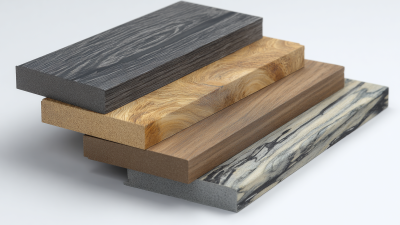
Available in various colors, textures, and finishes |
| Environmental Impact |
Often made from recycled materials, contributing to sustainability |
| Installation Ease |
Can be installed using standard carpentry tools |
| Applications |
Used for exterior cladding, decking, and fencing |
| Cost-Effectiveness |
Economical option over time due to low maintenance needs |
Key Advantages of Using WPC Cladding for Modern Construction Projects
WPC (Wood Plastic Composite) cladding is rapidly gaining traction in modern construction due to its myriad advantages. One of the key benefits is its excellent durability. According to a report by the Wood Plastic Composites Market, WPC products typically have a lifespan that exceeds 25 years, far outpacing traditional wood materials, which are prone to rot, splintering, and insect damage. This inherent resilience not only reduces maintenance costs but also minimizes the need for frequent replacements, making WPC cladding an economically sensible choice for long-term projects.
Another significant advantage is its eco-friendliness. WPC is primarily composed of recycled wood fibers and plastic, contributing to a reduction in landfill waste. The same market report highlights that using WPC can reduce the use of virgin materials, with an estimated 30% of the composite material derived from recycled sources. Additionally, WPC cladding is available in various finishes and colors, allowing architects and designers to create aesthetically appealing facades while still adhering to sustainable practices. Given the increasing focus on green building initiatives, WPC cladding aligns perfectly with modern construction's demand for environmentally responsible materials.
Benefits of WPC Cladding in Modern Construction
Common Applications of WPC Cladding in Residential and Commercial Spaces
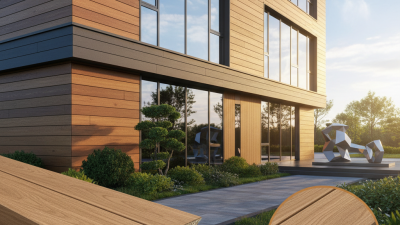
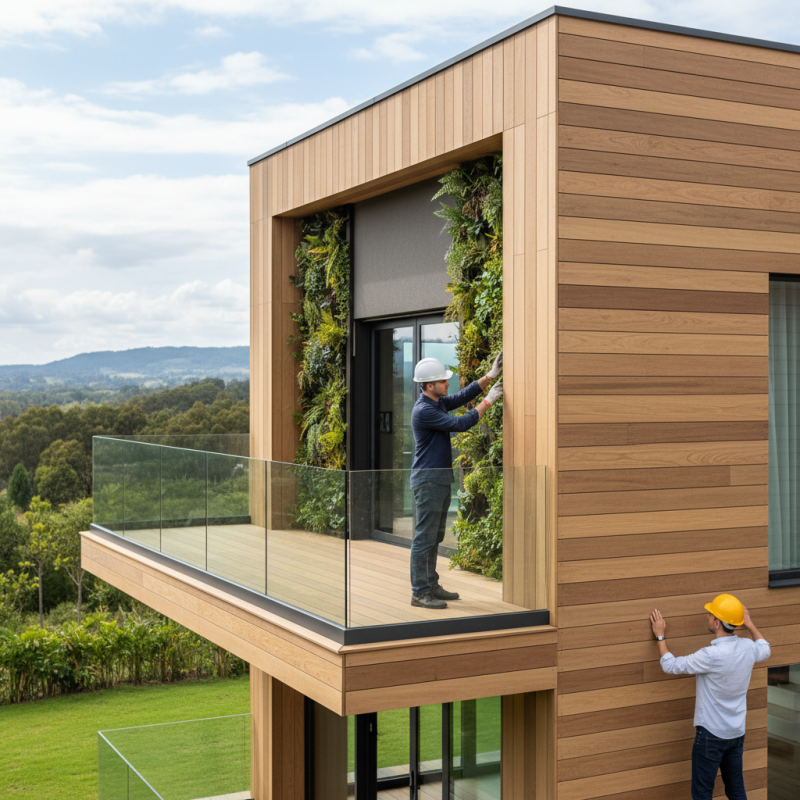
WPC (Wood Plastic Composite) cladding has gained substantial popularity in both residential and commercial spaces due to its aesthetic appeal and robust performance. According to a recent industry report, the global WPC market is projected to reach over $10 billion by 2027, driven by the growing demand for sustainable building materials. Homeowners often use WPC cladding to enhance the exterior of their properties, providing a modern, sleek finish while benefiting from its resistance to moisture, decay, and insect damage. Similarly, commercial spaces increasingly incorporate WPC cladding for its longevity and low maintenance requirements, making it an ideal choice for building facades, outdoor alleys, and even interior feature walls.
Common applications of WPC cladding include the construction of outdoor decks, siding for homes, and protective wall coverings for commercial buildings. Its versatility extends to various design styles, from rustic to contemporary, allowing for flexibility in architectural applications. Additionally, WPC cladding is often used in high-traffic areas due to its durable nature, which can withstand the wear and tear typical of busy environments. An increasing number of architects and builders are opting for WPC materials as they focus on sustainable design practices and energy efficiency.
Tips: When considering WPC cladding for your project, look for manufacturers that offer a wide range of colors and textures to match your design vision. Additionally, ensure proper installation by consulting industry guidelines, as improper application can compromise the material's durability. Lastly, factoring in local climate conditions can help determine the best type of WPC for your specific needs, ensuring long-lasting performance.
Step-by-Step Installation Guide for WPC Cladding: Tools and Techniques
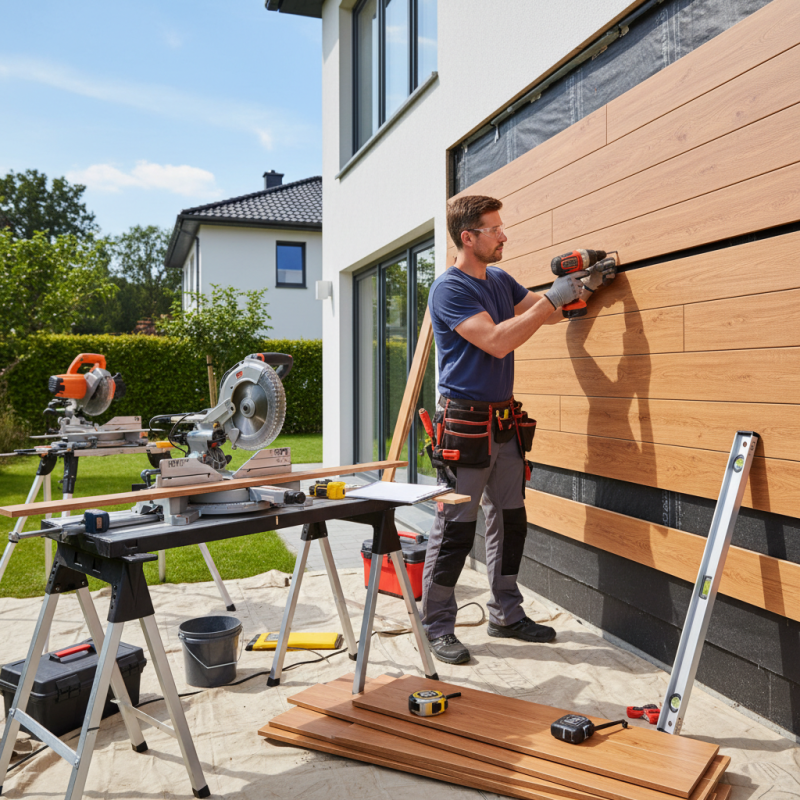
When it comes to installing WPC (Wood Plastic Composite) cladding, having the right tools and an organized approach is crucial for a successful project. Begin your installation by gathering essential tools: a measuring tape, a circular saw or miter saw for cutting, a level for ensuring straight lines, and an impact driver for fastening. Additionally, ensure you have safety gear such as goggles and gloves. Prior to installation, carefully plan and measure your cladding area to determine the amount of material required and the best layout to achieve a professional look.
Once your tools are ready and measurements are taken, start by preparing the wall surface. Ensure it is clean, dry, and free from any protrusions that could affect wall alignment. It is important to install a moisture barrier if necessary, particularly in damp areas. Begin the installation from the bottom of the wall, securing the first row of cladding with appropriate spacing for expansion and contraction. Use a level throughout the process to maintain straight lines. Proceed row by row, fastening each piece securely, ensuring that your joints are staggered for enhanced durability and visual appeal. Finally, trim any excess material at the edges for a clean finish. Following these steps will allow for a durable and aesthetically pleasing WPC cladding installation.
Eco-Friendly Aspects of WPC Cladding: Sustainability and Recycling Benefits
WPC (Wood Plastic Composite) cladding is increasingly recognized for its eco-friendly attributes, steering the construction industry toward more sustainable practices. Composed of recycled wood fibers and plastic materials, WPC cladding reduces environmental impact by utilizing waste products that would otherwise contribute to landfill. According to a report by the Global WPC Market, the adoption of WPC products is projected to grow by over 20% annually, largely driven by heightened awareness of sustainability. By choosing WPC cladding, builders and homeowners can significantly lower their carbon footprint while enjoying a durable and aesthetically pleasing material.
One of the standout features of WPC cladding is its recycling capability. The majority of the materials used can be reclaimed and repurposed at the end of their life cycle. This aligns well with the circular economy model, where products are designed for durability and recyclability. Research from the International Journal of Sustainable Construction highlights that using WPC products can lead to a 50% reduction in greenhouse gas emissions compared to traditional building materials.
Tips: When considering WPC cladding for your next project, check for certification labels that indicate sustainability and recycled content. Additionally, regularly explore opportunities to collaborate with local recycling programs to further enhance your project's eco-friendliness. Lastly, ensure proper installation to maximize the lifespan of your WPC cladding, contributing to long-term sustainability.

 Hot Selling